
Understanding Cholesterol: The Good and the Bad
Cholesterol is a waxy, fat-like substance that is present in every cell of the body. It plays a vital role in producing hormones, vitamin D, and substances that help digest foods. However, it is essential to differentiate between the two primary types of cholesterol: high-density lipoprotein (HDL) and low-density lipoprotein (LDL). HDL is often referred to as “good” cholesterol because it helps remove other forms of cholesterol from the bloodstream. Conversely, LDL is known as “bad” cholesterol, as high levels of it can lead to the buildup of plaque in the arteries, increasing the risk of heart disease and stroke.
Managing cholesterol levels is crucial for maintaining overall heart health. High levels of LDL cholesterol can lead to atherosclerosis, a condition characterized by narrowed arteries due to plaque accumulation. This narrowing can restrict blood flow, causing serious cardiovascular issues. Conversely, higher levels of HDL cholesterol are associated with a reduced risk of heart disease, as it aids in the transport of LDL cholesterol to the liver for disposal.
There are many misconceptions surrounding dietary cholesterol, particularly regarding cholesterol intake from foods. While previous guidelines suggested limiting dietary cholesterol for heart health, recent research indicates that the foods consumed may have a limited impact on blood cholesterol levels for many individuals. Instead, saturated and trans fats found in processed foods are more significant contributors to increased LDL cholesterol. It is evident that lifestyle choices, including diet, exercise, and smoking, significantly impact cholesterol levels, emphasizing the importance of a balanced diet rich in natural foods. By adopting healthy habits, individuals can work effectively towards managing cholesterol levels, ultimately contributing to better heart health.
The Power of Nutrition: 5 Foods to Lower Cholesterol
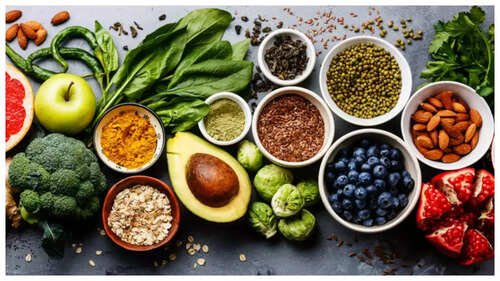
Nutrition plays a vital role in managing cholesterol levels, and incorporating specific natural foods can significantly contribute to cardiovascular health. The following five foods are particularly effective in lowering cholesterol levels, each with unique nutritional profiles and benefits.
Oats are a fantastic choice for those looking to reduce cholesterol. Rich in soluble fiber, particularly beta-glucan, oats help to lower LDL (bad cholesterol) by binding to cholesterol molecules in the intestines and removing them from the body. Including a bowl of oatmeal in your breakfast routine can be a simple yet effective way to boost your health.
Nuts, such as almonds and walnuts, are another powerhouse in cholesterol management. These nutrient-dense foods are high in unsaturated fats, omega-3 fatty acids, and fiber. Studies show that regular nut consumption can lower LDL cholesterol and improve heart health. A handful of mixed nuts as a snack or adding them to salads or yogurt can enhance both flavor and nutritional value.
Fatty fish, including salmon and mackerel, are high in omega-3 fatty acids, which are known to lower triglycerides and improve overall cholesterol levels. Eating fatty fish two to three times a week can provide these benefits while contributing to a balanced diet. Grilling or baking fish with herbs and spices makes for a delicious and healthy meal.
Legumes, such as beans and lentils, are excellent sources of soluble fiber and plant-based protein. They help to reduce cholesterol levels and stabilize blood sugar. Incorporating legumes into soups, salads, or as side dishes can increase dietary fiber while keeping meals nutritious and satisfying.
Avocados are unique in that they are a rich source of monounsaturated fats and fiber, which can help manage cholesterol levels. Adding avocados to salads or smoothies not only enhances flavor but also contributes heart-healthy fats essential for reducing LDL cholesterol.
Incorporating these five natural foods — oats, nuts, fatty fish, legumes, and avocados — into a balanced diet offers a strategic approach to lowering cholesterol levels within three months. By making small adjustments to daily meals, individuals can enjoy the benefits these foods have to offer.
Creating a Sustainable Cholesterol-Lowering Diet Plan
Establishing a sustainable diet plan aimed at lowering cholesterol levels requires a balanced approach, integrating various food groups while focusing on the five natural foods identified as beneficial. These foods, rich in soluble fiber, healthy fats, and antioxidants, should be incorporated into daily meals to foster heart health. Begin by preparing a weekly meal plan that emphasizes whole fruits, vegetables, grains, legumes, and lean proteins alongside these heart-friendly foods. This practice not only promotes diversity in the diet but also simplifies grocery shopping and preparation.
When planning meals, consider utilizing cooking methods that retain the nutritional value while minimizing unhealthy fats. Steaming, grilling, and baking are preferable to frying, as these methods help to preserve the integrity of the healthy ingredients. Additionally, experimenting with herbs and spices can enhance flavor without the need for excessive salt or sugar, which can negatively impact cardiovascular health. Aim for a mix of color on your plate, as a variety of plant-based foods come packed with essential nutrients that support overall wellness.
Alongside dietary modifications, incorporating regular physical activity is crucial for managing cholesterol levels. Aim for at least 150 minutes of moderate aerobic exercise per week, such as brisk walking or cycling. Incorporating strength training exercises twice a week can also be beneficial. Physical activity not only aids in weight management but encourages healthy lipid profiles and improves heart function as well.
Routine health check-ups are vital in assessing the effectiveness of your cholesterol-lowering strategies. Regular monitoring enables you to track your progress and make necessary adjustments to your diet or exercise regime. By embracing this holistic approach, including dietary changes, exercise, and regular health evaluations, you can create a sustainable plan to effectively manage your cholesterol levels within three months.
