
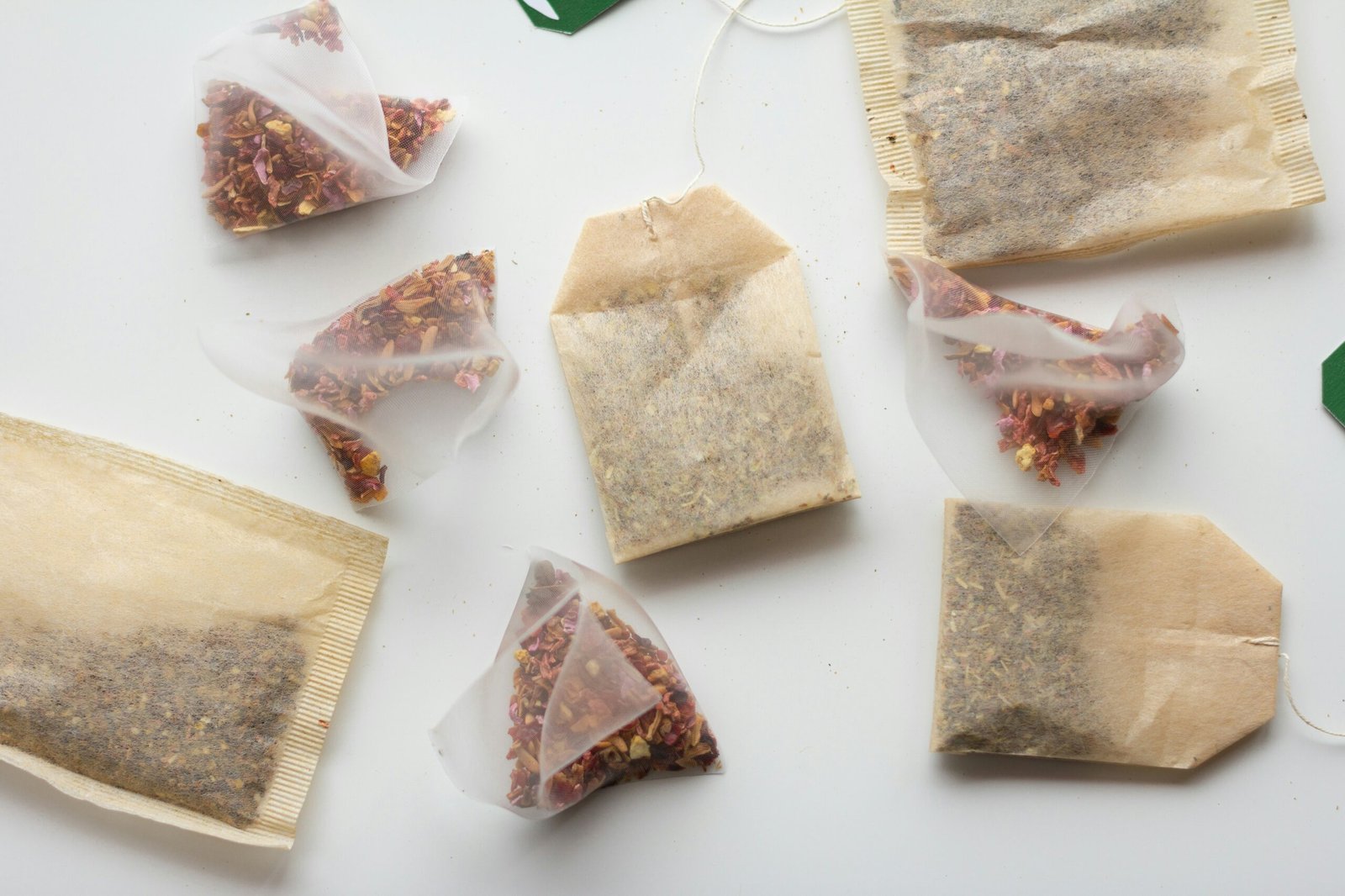
Enhancing Your Garden with Tea Bags
Utilizing used tea bags in the garden offers a multitude of environmental benefits, primarily through their nutritional content, which can enrich the soil and support healthier plant growth. Tea leaves are rich in essential nutrients, including nitrogen, phosphorus, and potassium, which are vital for plant development. These nutrients not only bolster plant health but also improve soil quality, making used tea bags an effective, organic fertilizer for your garden.
To optimize the use of tea bags in your gardening efforts, consider composting them. When composted, tea bags break down and contribute valuable organic material to the compost heap. It is essential to ensure that the tea bags are made from biodegradable materials, as some tea bags contain plastic that may not decompose naturally. Adding them to your compost pile can significantly enhance its nutrient profile, promoting a well-balanced mixture that is ideal for enriching your garden beds.
Specific plants particularly benefit from the addition of tea bags or tea leaves to the soil. For example, roses and tomatoes thrive when tea is incorporated into the soil, as the nitrogen promotes lush foliage and fruit production. Additionally, acid-loving plants, such as blueberries and azaleas, enjoy the slightly acidic nature of used tea bags, further enhancing their growth potential. Furthermore, adding these bags helps retain moisture in the soil, reducing the need for frequent watering.
By incorporating tea bags into your garden practices, you not only promote a sustainable gardening approach but also witness the tangible benefits of healthier, more vibrant plants. This simple yet effective method can contribute significantly to an eco-friendly horticultural routine.
Odor Absorption: Tea Bags as Natural Deodorizers
The humble tea bag, often overlooked, serves as an effective natural deodorizer that can combat unpleasant odors in various spaces around the home. This simple household item can be employed in multiple ways to enhance freshness, making it a desirable alternative to chemical deodorizers. One of the most common applications is placing used or unused tea bags in shoes. The tannins present in tea are adept at trapping and neutralizing odors, making them particularly effective in absorbing the foot-related smells that can accumulate in footwear.
Another effective use of tea bags is in the refrigerator, where various food odors can create an unpleasant smell over time. Simply placing a few dry tea bags in the fridge can significantly mitigate these odors, ensuring that the environment remains fresh. Similarly, placing tea bags in kitchen cabinets or trash bins can also assist in absorbing lingering smells, particularly those resulting from food storage.
For other areas in the home, such as the car or closets, consider hanging tea bags to maximize their odor-absorbing potential. The key to maintaining their effectiveness lies in refreshing them periodically; ensure to replace or dry out the tea bags regularly to enhance their deodorizing capabilities. This can be accomplished by spreading the used tea bags out and allowing them to air dry. In addition, opting for different types of tea can yield varying results, as herbal or flavored tea bags may impart a pleasant aroma while simultaneously eliminating unwanted scents.
By harnessing the power of tea bags, homeowners can adopt an eco-friendly approach to odor absorption. The natural properties of tea offer a simple and effective method for maintaining a fresh environment, all while avoiding the harsh chemicals often found in commercial deodorizers.
Healing Remedies: The Therapeutic Benefits of Tea Bags
Tea bags, often perceived solely as a source of delightful beverages, possess a multitude of therapeutic benefits that can be particularly useful in alleviating minor health issues. The natural properties found within various types of tea, especially herbal and green teas, can be harnessed for at-home remedies that offer soothing relief for several ailments.
One of the most notable uses of tea bags is in the treatment of eye strain. A simple yet effective method involves steeping chamomile or green tea bags in hot water, letting them cool, and then placing them over closed eyes. Chamomile, known for its anti-inflammatory properties, can reduce swelling and irritation, while green tea, rich in antioxidants, may help refresh tired eyes and combat puffiness.
Another common application is treating sunburn. The tannins in black tea can help draw heat from the sunburned skin, alleviating discomfort. To utilize this remedy, steep several black tea bags in hot water, allow the solution to cool, and then apply it to the affected area with a clean cloth. The cooling effect can provide immediate relief, while the natural compounds in the tea help promote healing.
Additionally, tea bags can play a role in managing acne. The antibacterial and anti-inflammatory properties of green tea can be beneficial for skin health. After using a tea bag, you can apply it directly to the affected areas to help reduce redness and inflammation associated with breakouts.
While tea bags offer numerous benefits, it is essential to approach their use with caution. Some individuals may have sensitivities or allergies to specific types of tea. Prior to using any tea bag on the skin, it is advisable to perform a patch test to prevent adverse reactions. Moreover, ensuring that tea bags are used within a clean environment and not past their expiration date will enhance their safety and efficacy.
