
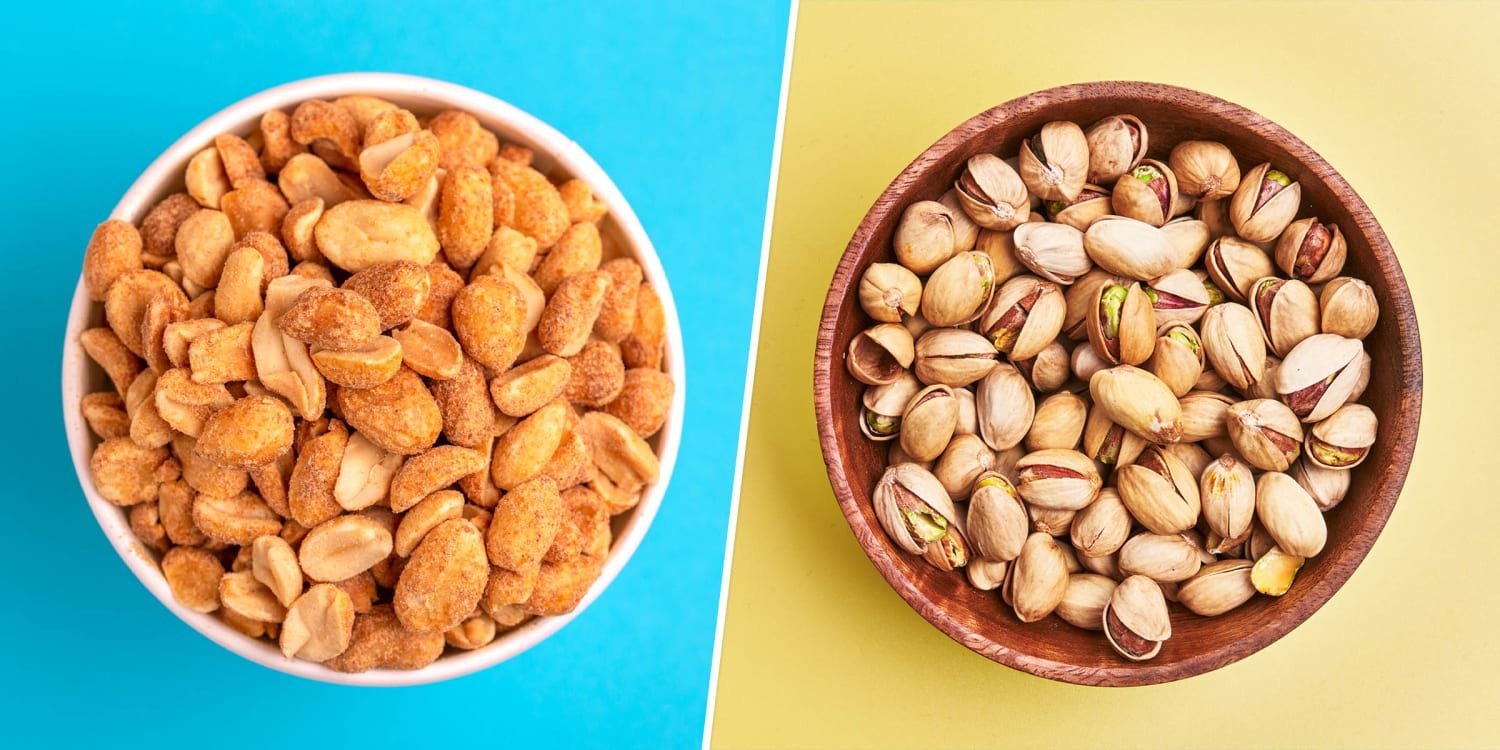
Nutritional Profiles of Pistachios and Peanuts
Pistachios and peanuts are popular nuts that offer distinct nutritional advantages. Understanding their nutritional profiles helps consumers make informed dietary choices. Both nuts are rich in proteins and healthy fats, contributing beneficial nutrients necessary for a balanced diet.
Pistachios are known for their impressive protein content, which typically stands at approximately 20 grams per 100 grams. Moreover, they are a source of healthy monounsaturated and polyunsaturated fats, accounting for about 44 grams per 100 grams. This fat composition can help support heart health. In addition, pistachios provide essential vitamins and minerals such as vitamin B6, potassium, and magnesium.
Peanuts, although technically legumes, are often classified as nuts in culinary terms. They feature a similar protein concentration, boasting about 25 grams per 100 grams. Peanuts contain a higher caloric density, approximately 567 calories per 100 grams, largely due to their fat content, which averages around 49 grams. They are a source of healthy monounsaturated fats but also include significant amounts of saturated fats. Peanuts are rich in niacin and folate along with minerals like phosphorus and magnesium.
Both pistachios and peanuts have commendable fiber content, with pistachios offering about 10 grams while peanuts provide around 8 grams per 100 grams. Fiber is paramount for digestive health and helps to regulate blood sugar levels. Additionally, both nuts contain notable antioxidants. Pistachios are especially rich in lutein and zeaxanthin, which support eye health, while peanuts contain resveratrol, associated with cardiovascular benefits.
In conclusion, while both pistachios and peanuts have unique nutritional profiles contributing to health, choosing the right option depends on individual dietary needs and preferences.
Health Benefits and Potential Risks
Pistachios and peanuts are both popular nuts known for their delightful flavors and potential health benefits. Consuming these nuts in moderation may contribute positively to heart health due to their rich content of healthy fats. Pistachios are particularly high in monounsaturated fats, which can help lower bad cholesterol levels, while peanuts are abundant in polyunsaturated fats, known for their cardiovascular benefits. Research indicates that incorporating these nuts into one’s diet may reduce the risk of heart disease and improve overall cardiovascular health.
Additionally, both pistachios and peanuts can play a role in weight management. Their high fiber content promotes a feeling of fullness, potentially aiding in appetite control. A study published in the journal “Obesity” suggested that nuts, including peanuts, might be associated with lower body weight despite their higher caloric content. This can be attributed to their nutrient density and the thermogenic effect, where the body expends energy to metabolize these food sources.
When it comes to blood sugar control, pistachios have demonstrated benefits, as they may improve glycemic control and insulin sensitivity. A study found that incorporating pistachio nuts into the diet could positively affect blood lipid levels and enhance metabolic responses. On the other hand, peanuts have a relatively low glycemic index, making them a suitable option for those managing blood sugar levels.
However, potential risks are associated with the consumption of these nuts. Peanut allergies are among the most common food allergies and can lead to severe reactions in some individuals. Additionally, peanuts may contain mycotoxins, harmful substances produced by mold, particularly when stored improperly. Therefore, it is essential to consume both pistachios and peanuts in moderation and be aware of individual allergies or sensitivities to ensure a balanced and healthful dietary choice.
Choosing the Right Nut for Your Diet
When deciding between pistachios and peanuts, it is crucial to consider your individual dietary needs and health goals. Both nuts offer distinct nutritional benefits and can be integrated into a balanced diet. Understanding their unique profiles will help you make an informed choice that aligns with your health objectives.
First, consider any potential allergenic reactions. Peanuts, which are legumes, are a common allergen that can provoke severe reactions in some individuals. In contrast, pistachios are tree nuts and may be a safer alternative for those allergic to peanuts. It is essential to evaluate your personal health history and any known food allergies before making a decision.
Culinary uses can also play a significant role in your selection. Pistachios have a unique flavor profile that enhances both sweet and savory dishes, making them versatile in various recipes. They are often enjoyed on their own, incorporated into salads, and used to top desserts. Peanuts, on the other hand, are frequently used in Asian cuisine, snacks, and spreads like peanut butter. Depending on your cooking habits, one nut may be more suitable than the other for your favorite meals.
Another important consideration is the form in which you consume these nuts. Raw pistachios retain their nutrients best, while roasted versions may offer a different flavor and texture. If you opt for toasted or salted peanuts, be cautious of added oils and sodium levels that may not align with your health goals. Moderation is key; a handful, about 1 ounce, can provide essential nutrients without excessive calorie intake.
Incorporating these nuts into your diet can also be straightforward. Consider adding them to yogurt, oatmeal, or smoothies for an extra protein boost or enjoy them as a healthy snack option. By understanding your dietary requirements and preferences, you can effectively choose between pistachios and peanuts to improve your overall wellness.
