
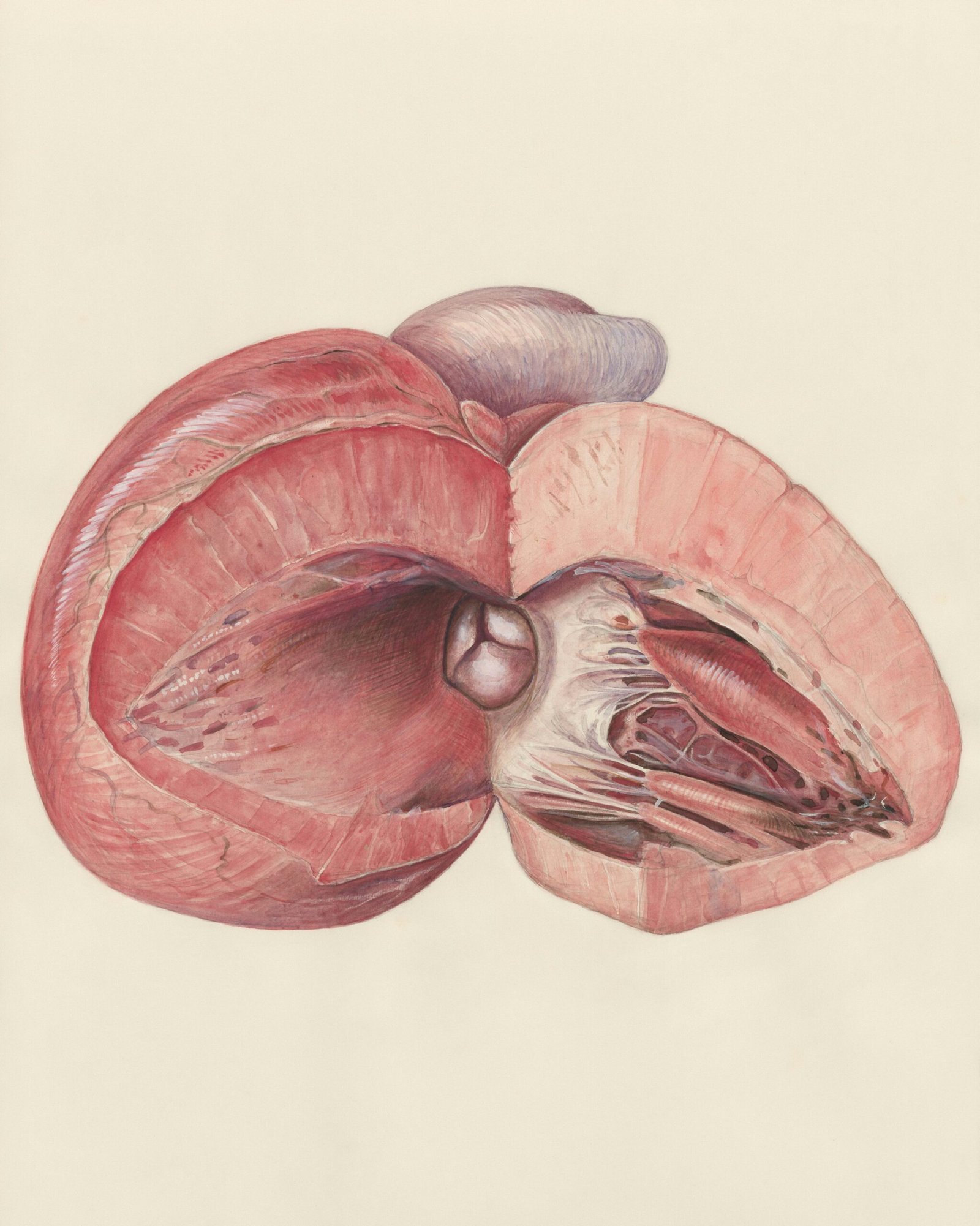
Understanding the Need for Universal Kidneys
The challenge of kidney transplantation is exacerbated by the stringent requirements of blood type compatibility, which limits the availability of suitable organs for patients in need. A statistical overview reveals a staggering prevalence of kidney disease, affecting millions globally. According to the National Kidney Foundation, more than 850 million people around the world have some form of kidney disease, with the demand for organ transplants far outpacing the available supply. In the United States alone, over 100,000 individuals await kidney transplants, highlighting the urgency of addressing this growing crisis.
The requirement for compatible blood types adds an additional layer of complexity to an already fraught process. There are four primary blood types—A, B, AB, and O—each of which can engage in potentially life-threatening incompatibilities during transplantation. For instance, individuals with type O blood, deemed universal donors, are at a disadvantage because they can only receive kidneys from other type O donors. Conversely, those with AB blood are universal recipients but face significant limitations in securing compatible organs, as most donors fall into the A and B categories.
This mismatch not only extends waiting times for patients but also increases the likelihood of organ rejection post-transplantation when compatibility is not achieved. The emotional and financial burden on patients and their families is considerable, compounding the urgency of finding effective solutions. Moreover, many patients succumb to their conditions while waiting for a suitable donor, underscoring the need for advancements in transplantation technology.
The development of a universal kidney represents a vital breakthrough that could address these compatibility issues. By creating a kidney that can safely function regardless of the recipient’s blood type, the medical community hopes to alleviate the existing challenges in organ transplantation, ensuring more patients receive timely and effective care. This innovation holds the potential to transform the landscape of kidney transplantation, saving countless lives in the process.
The Scientific Breakthrough: How the Universal Kidney Works
The development of the universal kidney represents a significant advancement in medical science, driven by substantial research and innovative technology. At the core of this breakthrough is an in-depth understanding of kidney biology and the complexities involved in organ compatibility. Traditionally, organ transplants have been challenged by the need for donor-recipient blood type matching, which has limited the availability and success of transplants. The scientists involved in this research sought to eliminate such limitations, thereby increasing transplant success rates.
To create a universal kidney, researchers utilized cutting-edge gene-editing techniques, particularly CRISPR-Cas9. This technology enabled them to modify the genetic material of kidney cells in a way that removes the antigens responsible for blood type incompatibility. By targeting specific genes that express these antigens, scientists could effectively engineer the kidney to avoid triggering an immune response in any recipient, regardless of their blood type. This pivotal modification not only enhances the compatibility of the organ but also significantly reduces the chances of transplant rejection, a common issue faced in organ transplantation.
The research was extensive and involved multiple steps, including the cultivation of kidney organoids, which are miniaturized and simplified versions of kidneys created in vitro. These organoids served as essential tools for testing the viability of the modified cells. By closely monitoring their behavior in various environments, scientists were able to gather crucial data on both the functionality and the immune response to the engineered kidneys. The successful development of these universal kidneys opens doors to new potential treatments for patients suffering from kidney failure, ultimately contributing to more lives saved through transplantation.
Implications for the Future of Transplantation
The recent breakthrough in developing a ‘universal’ kidney that can match any blood type marks a significant advancement in the field of organ transplantation. One of the most immediate implications of this innovation is the potential reduction in waiting lists for kidney transplants. Currently, patients often face prolonged waits due to the scarcity of compatible organs. With the ability to create kidneys that can eliminate the barriers associated with blood type compatibility, more patients might receive transplants in a timely manner, potentially saving countless lives.
Furthermore, the introduction of a universal kidney could instigate notable shifts in transplant protocols. Currently, transplantation procedures are heavily influenced by the availability of organs from deceased donors, constraining options to specific blood types. The new kidney could streamline the allocation process, enhancing efficiency and possibly leading to a more equitable distribution of organs. This shift could optimize the entire transplant system, from donor selection to post-operative care, ultimately improving patient outcomes.
In addition to immediate logistical and procedural advancements, this discovery opens up new avenues for future research. Scientists may explore further applications of universal organs, extending this innovation to other vital organs, such as hearts and livers. The underlying technologies that made this development possible could also spearhead exploration into gene editing and bioengineering endeavors aimed at addressing other medical needs.
However, with every groundbreaking innovation, ethical considerations must be taken into account. The emergence of lab-grown organs raises questions regarding consent, ownership, and the potential for commodification of human tissues. As the landscape of transplant medicine evolves, it will be critical for stakeholders to navigate these issues thoughtfully while advancing the cause of enhancing patient care through technological advancements.
