Background on the ICC’s Investigation
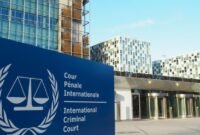
The International Criminal Court (ICC) is a permanent international tribunal established in 2002 to hold individuals accountable for genocide, war crimes, and crimes against humanity. As a judicial institution, the ICC operates under the Rome Statute, which outlines the court’s jurisdiction, structure, and function. One of its primary roles is to investigate allegations of serious international crimes and to ensure that perpetrators are brought to justice, particularly when national courts are unable or unwilling to prosecute offenders. This mandate has become particularly relevant in the context of various allegations against former Philippine President Rodrigo Duterte.
The investigations into Duterte stem from claims related to his administration’s aggressive war on drugs, which began in 2016. This campaign has been characterized by numerous reports of extrajudicial killings, targets allegedly being executed without legal process. Human rights groups and international observers have criticized the methods employed during this operation, raising concerns that these acts may constitute crimes against humanity. The atrocities reported have prompted numerous calls for accountability, culminating in the ICC’s decision to investigate the situation in the Philippines, initiating a formal inquiry into reported human rights violations.
The catalyst for the ICC’s involvement can be traced back to Duterte’s statements regarding the court itself, which he has often dismissed as illegitimate. His government has made attempts to withdraw from the ICC, declaring that it would no longer abide by its jurisdiction. Despite these actions, the ICC has continued to assess the allegations, leading to the necessity of a medical examination to evaluate Duterte’s fitness for trial. The complexities surrounding Duterte’s contentious policies and the subsequent fallout illustrate the ICC’s essential role in ensuring that justice can be pursued on the international stage.
The Medical Examination Order
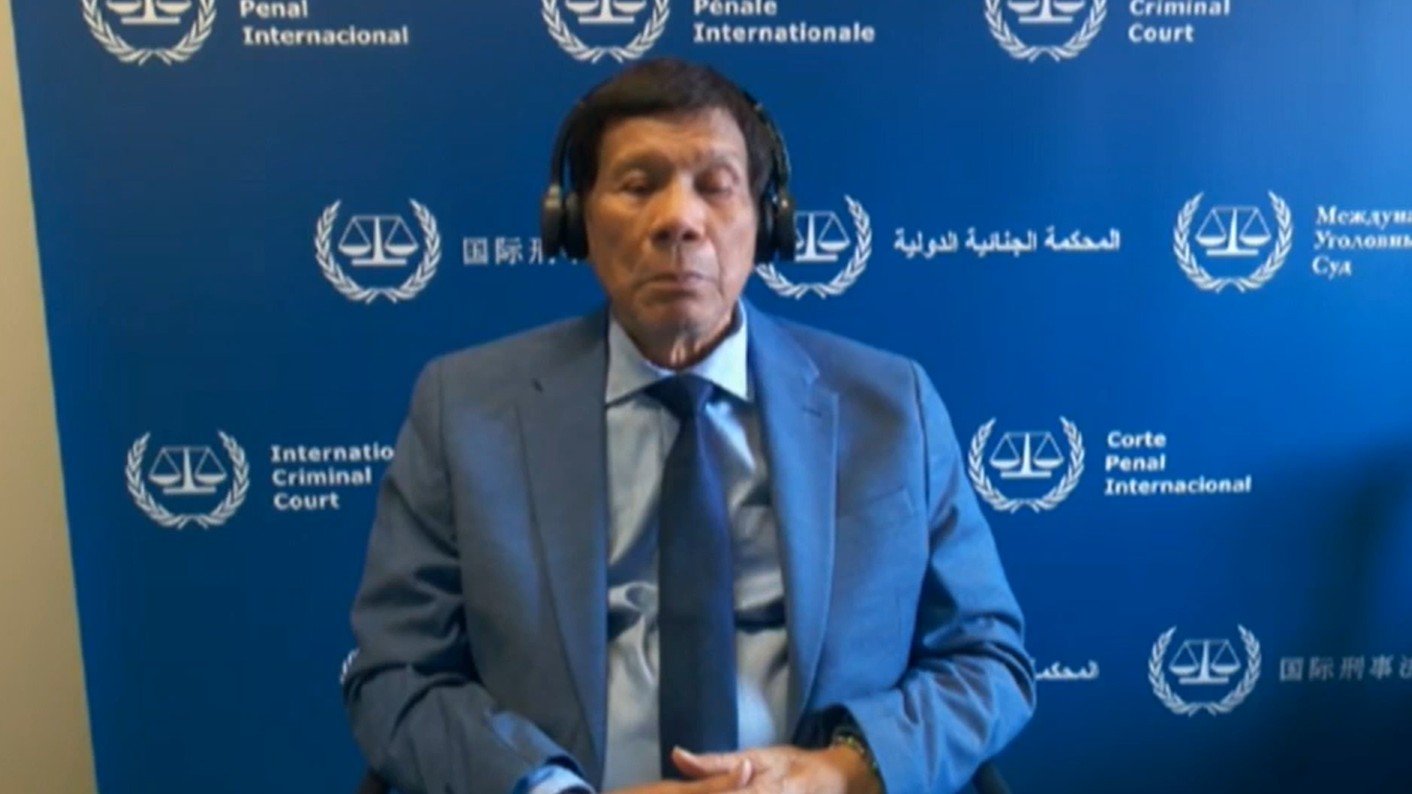
The International Criminal Court (ICC) has recently issued an order necessitating a medical examination of former Philippine President Rodrigo Duterte, primarily to evaluate his mental and physical fitness to stand trial regarding allegations of human rights violations. This decision arises from longstanding concerns surrounding Duterte’s health, which have been highlighted by both legal analysts and his political adversaries. The examination aims to provide a comprehensive assessment of his current state, as the ability to participate meaningfully in legal proceedings is a prerequisite for any individual facing serious charges.
The medical evaluation will be conducted by a panel of medical professionals, who will utilize both physical examinations and psychological assessments to ascertain Duterte’s overall condition. These professionals will adhere to established protocols to ensure that the findings are impartial and scientifically valid. The ICC has emphasized the importance of transparency throughout this process, intending to maintain its credibility and uphold legal standards. Additionally, results from the examination will play a crucial role in determining whether Duterte is declared fit or unfit to appear in court, which could significantly influence the direction of any ongoing or future judicial actions against him.
<phowever, a="" about="" accused="" aimed="" allegations="" alleged="" an="" and="" argue="" as="" at="" attention="" balance="" be="" behind="" between="" cases="" could="" defenders="" deflect="" development="" duterte's="" duterte’s="" ensuring="" examination="" expressed="" faces.="" for="" from="" garnered="" has="" have="" he="" health="" his="" icc's="" in="" international="" into="" intrusion="" justice="" legacy.="" level.
Implications for Duterte and the Philippines
The International Criminal Court’s (ICC) order for a medical examination of former President Rodrigo Duterte carries significant implications for his political future and for the Philippines as a whole. As Duterte faces scrutiny over his alleged involvement in extrajudicial killings during his administration’s controversial war on drugs, this medical evaluation raises questions about his fitness to stand trial. Should the findings suggest that he is unfit, it may delay or complicate ongoing investigations into his actions, thereby shaping his legal trajectory and political legacy.
Moreover, the ICC’s actions could impact the Philippines’ relationships with international bodies and other countries, particularly those advocating for human rights and accountability. Concerns regarding Duterte’s human rights record have strained the Philippines’ diplomatic ties with nations that prioritize such values. If the medical examination determines that Duterte is fit for trial, it could heighten these tensions, potentially isolating the country on the international stage, while simultaneously sparking public debate regarding the government’s handling of human rights issues.
The ramifications extend beyond Duterte’s immediate circumstances; the public perception of his administration’s human rights policies will also be under scrutiny. A growing concern among Filipinos regarding state violence and extrajudicial practices may further influence future electoral outcomes and governance. The population’s reaction to the ICC proceedings could shape how Filipinos view not only Duterte’s legacy but also the broader implications of his administration’s policies.
Looking ahead, the ICC’s investigations into Duterte may contribute to an ongoing narrative about accountability within the Philippines. The interplay between national law and international human rights standards could provoke significant discussions in Philippine society about governance, justice, and the rule of law, potentially leading to reforms aimed at preventing similar abuses in the future.