Understanding Cholesterol and Its Impact on Health
Cholesterol is a waxy substance found in the cells of your body and in certain foods that you consume. It plays a crucial role in producing hormones, vitamin D, and bile acids that aid in digestion. However, cholesterol levels in the bloodstream can significantly impact your overall health, particularly when it comes to heart health.
There are two main types of cholesterol: low-density lipoprotein (LDL) and high-density lipoprotein (HDL). LDL is often referred to as “bad” cholesterol because it can accumulate in the walls of arteries, leading to atherosclerosis, a condition that narrows and hardens the arteries and can result in heart disease. Conversely, HDL is known as “good” cholesterol because it helps remove excess cholesterol from the bloodstream and transports it to the liver for elimination. An optimal balance between these two types is essential for maintaining cardiovascular health.
High cholesterol levels can pose significant health risks, including heart disease, stroke, and other cardiovascular issues. When LDL cholesterol levels are elevated, they can lead to plaque formation in arteries, reducing blood flow and increasing the likelihood of blood clots. Consequently, managing cholesterol levels is vital for preventing serious health complications.
One effective way to manage cholesterol levels is through diet. The foods we consume can greatly influence our cholesterol levels. Incorporating natural foods that are rich in fiber, healthy fats, and antioxidants can effectively help lower LDL cholesterol while raising HDL. Additionally, regular physical activity and lifestyle changes, such as quitting smoking and moderating alcohol intake, further support cholesterol management. By understanding cholesterol’s role in health and recognizing the necessity of dietary intervention, individuals can take meaningful steps toward reducing their cholesterol levels over time.
Top 5 Natural Foods to Lower Cholesterol
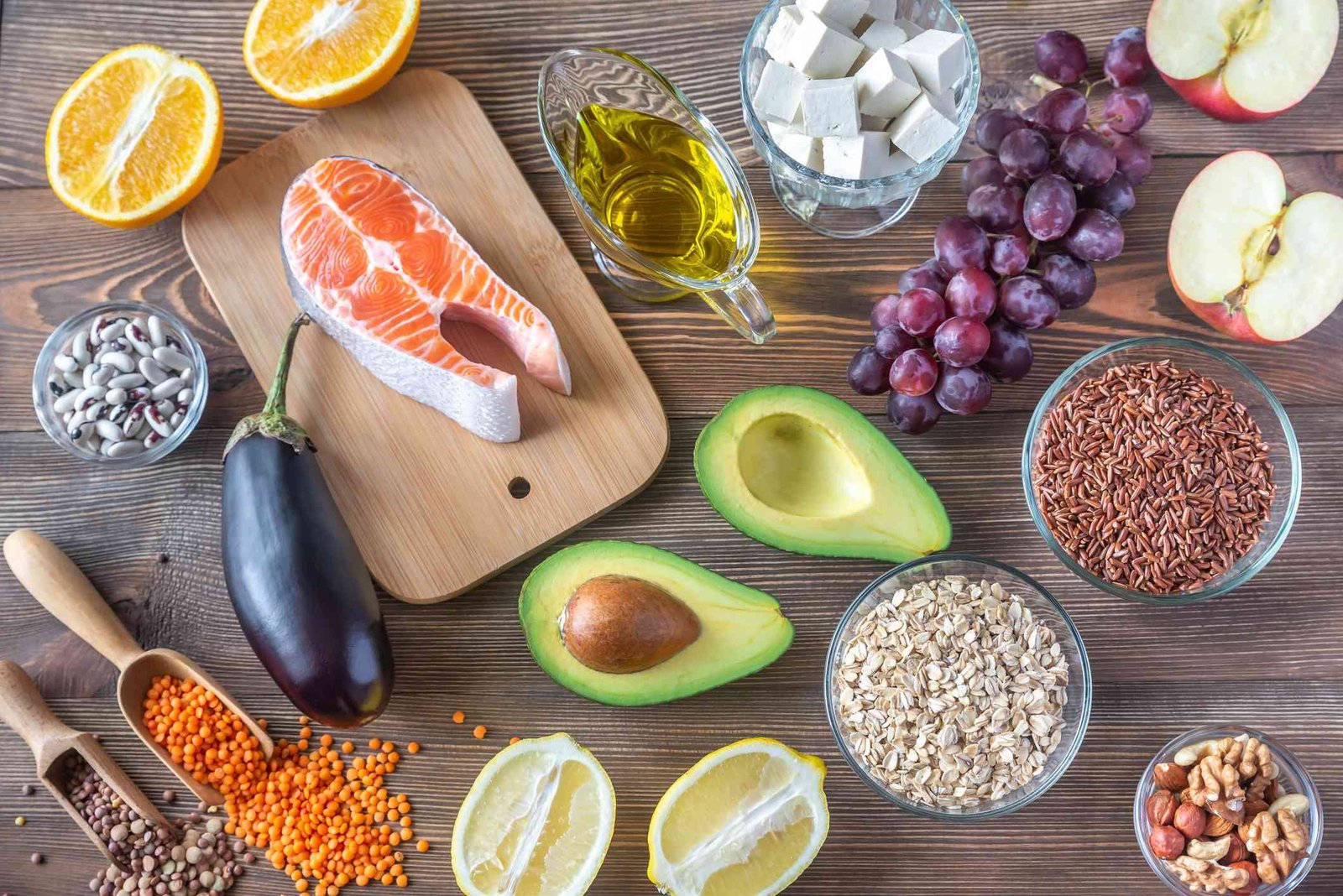
High cholesterol levels are a significant risk factor for cardiovascular diseases, making it essential to incorporate natural foods to help manage these levels effectively. Five specific foods have been identified for their cholesterol-lowering properties: oatmeal, fatty fish, avocados, nuts, and beans. Each of these foods contributes valuable nutrients that can assist in reducing bad cholesterol (LDL) and improving overall heart health.
Oatmeal is rich in soluble fiber, which effectively binds to cholesterol in the digestive system, facilitating its excretion. Research indicates that consuming just one bowl of oatmeal daily can lower LDL cholesterol by approximately 5 to 10%. Including oatmeal in breakfast or using it in smoothies enhances daily fiber intake while providing essential vitamins and minerals.
Fatty fish such as salmon, mackerel, and sardines are another excellent choice for lowering cholesterol. They are high in omega-3 fatty acids, which not only improve heart health but also help reduce triglycerides and raise good cholesterol (HDL). Aim to incorporate fatty fish into your meals at least twice a week; grilling or baking are healthy preparation methods that preserve the fish’s nutrients.
Avocados stand out due to their healthy monounsaturated fats and fiber content. Studies show that regular avocado consumption can reduce LDL cholesterol levels and promote heart health. Consider adding sliced avocado to salads, smoothies, or whole-grain toast as a delicious way to enjoy its benefits.
Nuts are nutrient-dense and contain healthy fats, fiber, and antioxidants that aid in lowering cholesterol levels. Walnuts, almonds, and pistachios have been specifically linked to improvements in cholesterol levels when consumed regularly. A handful of nuts as a snack or a topping on yogurt can easily fit into a balanced diet.
Lastly, beans are an excellent source of soluble fiber and plant-based protein, making them effective at lowering cholesterol. Incorporating beans into soups, salads, or as a meat substitute in various dishes can significantly enhance your dietary intake of cholesterol-lowering nutrients.
Creating a Sustainable Cholesterol-Lowering Diet
To effectively manage cholesterol levels over the span of three months, creating a sustainable and balanced diet is essential. This entails integrating the five natural foods known to assist in lowering cholesterol, while simultaneously adopting other healthy lifestyle practices. The initial step in this journey is to focus on meal planning that features these natural foods prominently. For example, incorporating oats, beans, nuts, and fatty fish can not only diversify one’s diet but also ensure the body receives essential nutrients.
In addition to these foods, it is crucial to limit processed food intake, as they often contain unhealthy fats and sugars that can adversely affect cholesterol levels. Cooking at home can provide greater control over ingredients, allowing for healthier meal options. A diet rich in fruits, vegetables, whole grains, and lean proteins will contribute to an overall healthy lifestyle. Meals that prioritize fresh produce can provide the necessary fibers, vitamins, and minerals that support heart health.
Regular physical activity plays an equally important role in managing cholesterol levels. Engaging in aerobic activities, such as walking, cycling, or swimming, for at least 150 minutes a week can significantly influence cholesterol and overall health. Additionally, the importance of routine health check-ups cannot be overstated. These appointments enable individuals to monitor their cholesterol levels and adjust their dietary choices as needed.
Setting realistic goals is also a pivotal element in this three-month journey. Acknowledging that lifestyle changes require time is vital. Small, manageable steps in both diet and physical activity can lead to lasting changes. By embracing a cholesterol-lowering diet complemented by healthy habits and regular medical advice, individuals will be paving the way towards optimal cholesterol management and, ultimately, better overall health.
