Overview of the AI-Powered Makeup Feature
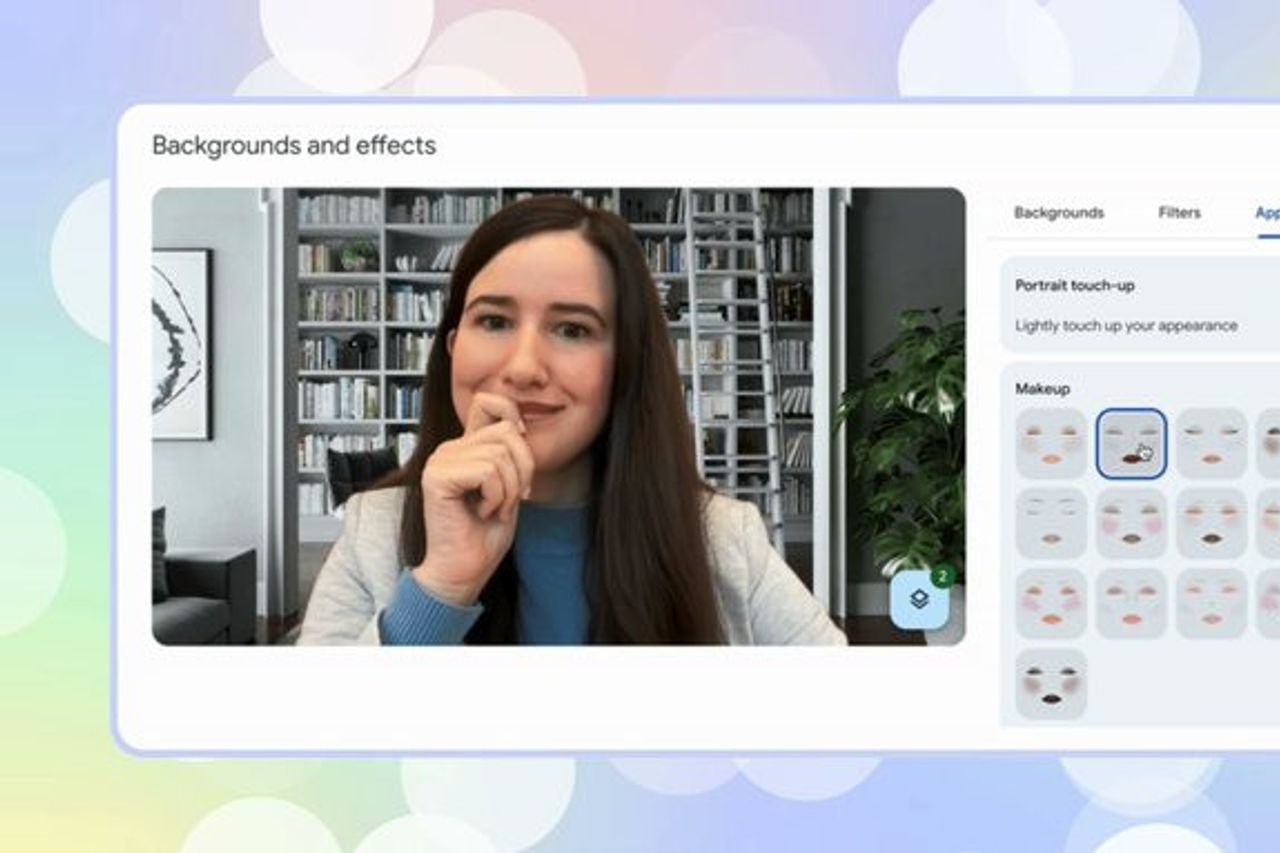
Google Meet has recently introduced an innovative AI-powered makeup feature, aimed at transforming the way individuals present themselves during virtual meetings. The primary purpose of this tool is to enhance user appearance seamlessly, ensuring that participants can look their best with minimal effort and time investment. Given the increasing reliance on virtual communication, this feature represents a significant step towards improving overall user experience in digital environments.
The technology behind this feature leverages advanced artificial intelligence algorithms to analyze facial features and apply virtual makeup enhancements in real-time. Utilizing techniques such as machine learning and computer vision, Google Meet can identify areas for improvement, including skin tone adjustments, blemish reduction, and even makeup application that mimics popular cosmetic styles. By integrating this technology, users can feel more confident while engaging in professional and personal conversations, effectively elevating their virtual presence.
This AI-driven makeup functionality caters to a diverse range of users, from professionals aiming for a polished look during business meetings to individuals looking to enhance their appearance in casual video calls. Accessibility is a crucial aspect of the feature, as it has been designed to be user-friendly, enabling individuals of varying technical backgrounds to utilize the tool effortlessly. The inclusion of adjustable settings allows users to personalize their makeup application, ensuring that the enhancements align with their preferences and expectations.
In various scenarios, such as online interviews, presentations, or family catch-ups, users can benefit from this innovative feature, transforming their virtual meetings into more engaging interactions. The AI-powered makeup feature from Google Meet is set to redefine the standards of virtual appearance, providing an invaluable resource for those navigating the complexities of the digital communication landscape.
User Reactions and Personalization Options
Since the launch of Google Meet’s AI-powered makeup feature, user reactions have been varied and notable. Many users have expressed enthusiasm for this innovation, appreciating how it enhances their virtual meeting experience. Comments on social media platforms highlight a sense of excitement, with users sharing before-and-after screenshots showcasing the transformative effects of the makeup feature. The ability to appear polished without extensive preparation resonates particularly well with remote workers, who can now maintain a professional appearance effortlessly. Moreover, users have praised the realism that the AI brings to the virtual environment, enabling them to feel more confident during video calls.
However, not all feedback has been universally positive. Some users have raised concerns about the authenticity of such enhancements, fearing they might detract from genuine interactions. Experts in the field of virtual communication have chimed in, discussing the balance between augmentations and authenticity. They highlight the potential for the feature to positively influence user confidence but also caution against over-reliance on digital enhancements that may lead to unrealistic beauty standards.
In terms of personalization, Google Meet offers a variety of options to cater to diverse needs and preferences. Users can adjust makeup styles ranging from subtle enhancements to more pronounced looks, ensuring that the application can support individual preferences. Additionally, the feature allows users to select from different colors and levels of enhancement, facilitating a highly customized experience. This flexibility is particularly beneficial within a culturally diverse user base, allowing individuals to express their personal style while maintaining a professional appearance in virtual meetings. The ongoing dialogue around the feature signifies its substantial impact and the importance of personalization in enhancing virtual interactions.
Implications for Remote Work and Future Trends in Video Conferencing
The introduction of Google Meet’s AI-powered makeup feature signifies a pivotal shift in the landscape of remote work and video conferencing. As organizations increasingly embrace flexible work arrangements, maintaining a professional appearance during virtual meetings has become paramount. This innovation aligns seamlessly with the evolving expectations for personal presentation in professional settings, allowing individuals to enhance their appearance without the need for extensive preparation time.
The significance of personal appearance has been magnified in digital communications, where first impressions are often formed through video interactions. Google Meet’s AI capability helps bridge the gap between personal and professional environments, enabling employees to feel more confident and polished during presentations or meetings. This emphasis on appearance reflects a broader trend within the realm of virtual communication tools, where maintaining a professional demeanor is essential for fostering relationships and facilitating collaboration.
Moreover, the introduction of this feature may set a precedent for other platforms, likely prompting competing video conferencing solutions to explore similar advancements in AI technology. The potential for further innovation is vast; envision future tools that not only address appearance but also provide real-time feedback on body language or vocal tone, thus enriching the communication experience. As the demand for efficient and effective video conferencing tools continues to rise, these enhancements will likely become standard expectations among users.
Looking ahead, the integration of AI within video conferencing platforms is poised to transform remote work dynamics significantly. By offering features that cater to both appearance and communication effectiveness, companies could bolster employee morale and productivity. Ultimately, this trend towards hyper-personalization in virtual interactions might redefine how remote teams collaborate, pushing the boundaries of technology through new applications and innovative functionalities.