
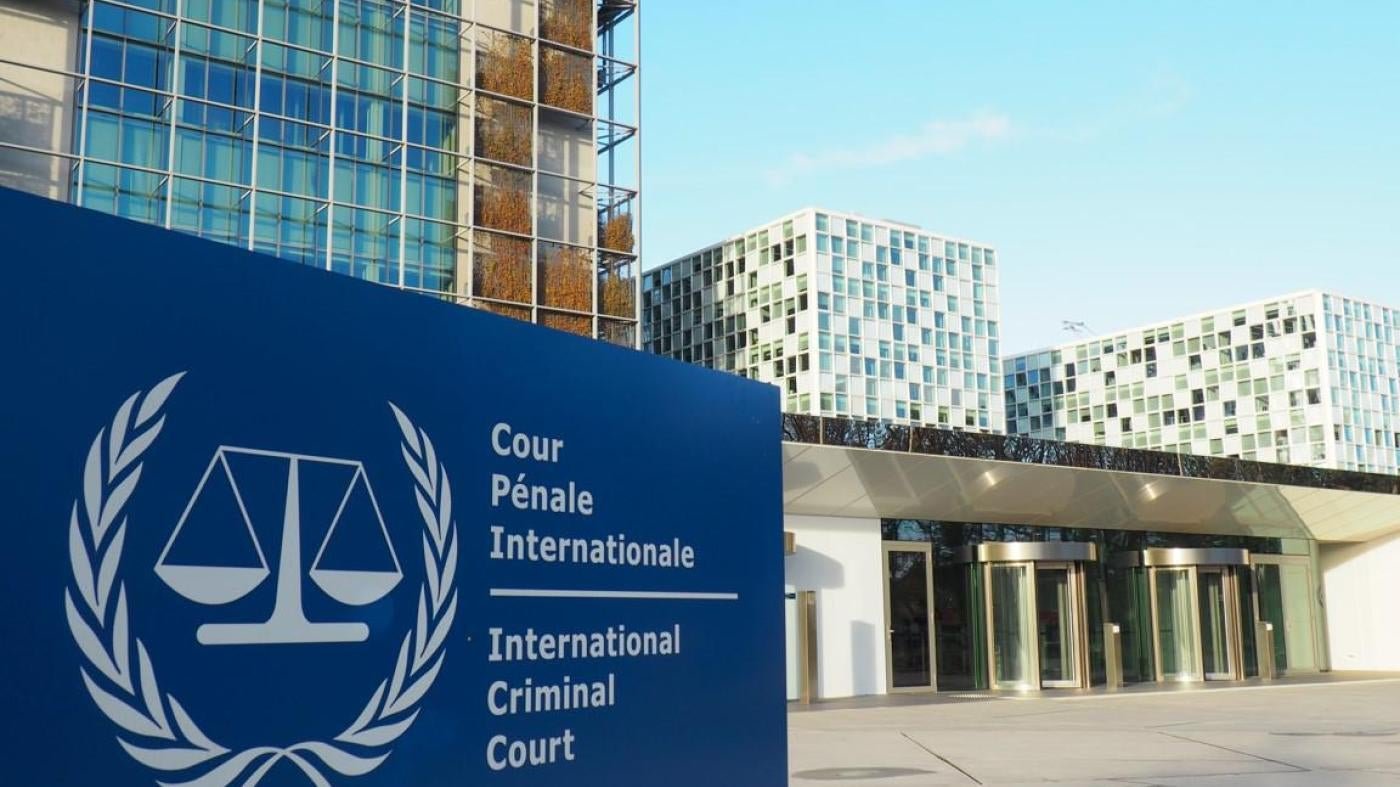
Understanding the International Criminal Court’s Role
The International Criminal Court (ICC), established on July 1, 2002, by the Rome Statute, represents a monumental development in the realm of international justice. Its primary objective is to hold accountable those individuals responsible for the most grievous crimes that concern the global community, specifically genocide, war crimes, and crimes against humanity. By providing a platform to prosecute such offenses, the ICC aims to promote justice while deterring potential future violations through recognition of individual culpability.
The ICC operates under a complex legal framework, encompassing a set of rules and procedures outlined in the Rome Statute. This statute delineates the jurisdiction of the court, allowing it to act only when domestic jurisdictions are unwilling or unable to prosecute these serious crimes. Such complementarity represents a key aspect of the ICC’s framework, ensuring that national courts retain the primary responsibility for prosecuting offenders within their jurisdictions, while the ICC serves as a last resort. This principle aims to encourage states to take accountability for actions occurring within their borders.
Furthermore, the ICC engages in various investigative measures and prosecutions that contribute to broader efforts for international accountability. By doing so, the court not only underscores the importance of upholding human rights but also fosters the development of international law, setting precedents that can influence legal practices and responses globally. Nonetheless, the ICC faces numerous challenges, particularly in securing cooperation from state parties and navigating the political complexities surrounding its mandates. These hurdles threaten to undermine the court’s effectiveness and raise concerns about its capacity to fulfill its mission of advancing universal justice.
Recent Developments Leading to Potential Sanctions
The International Criminal Court (ICC) has recently found itself in a precarious position as several political and legal developments intensify scrutiny on its operations. One significant event was the issuance of arrest warrants against high-profile individuals, which has sparked controversy among various state parties. For instance, the warrant against a current head of state led to unrest among nations that have expressed strong opposition to the ICC’s jurisdiction over government officials. This situation highlights the delicate balance the court must maintain between pursuing justice and respecting state sovereignty, which ultimately contributes to the growing risks of sanctions.
Furthermore, reactions from influential countries and international organizations have added complexity to these issues. Some nations, particularly those not party to the Rome Statute, have increased their vocal opposition to the ICC’s rulings, leading to a deterioration of diplomatic relations. In particular, a notable pattern of countries discussing the potential withdrawal from the ICC has emerged, generating further debate about the court’s legitimacy and authority. These discussions often bear the implication of approaching sanctions that could hinder the court’s operational capacity and affect its credibility on the global stage.
This escalating tension between the ICC and state parties also reflects concerns about the court’s perceived bias in selective prosecution. Various critics argue that the ICC has disproportionately targeted specific regions or countries, fueling accusation of politicization within its proceedings. This perception, combined with the ongoing struggle for cooperation from state parties, has raised fundamental questions regarding the court’s effectiveness and ability to impartially address international crimes. Understanding these developments is crucial, as they not only impact the ICC’s operational viability but could also prompt significant shifts in international law and accountability mechanisms.
The Implications of Sanctions on the International Criminal Court
The International Criminal Court (ICC) plays a pivotal role in promoting global justice and accountability. However, the imposition of sanctions can significantly impede its ability to function effectively. Such restrictions may hinder the ICC’s capacity to investigate and prosecute international crimes, resulting in delayed justice for victims and a lack of accountability for perpetrators. When financial or operational sanctions are placed on the ICC, the resources necessary for conducting thorough investigations and facilitating trials may be considerably reduced. Consequently, this could result in a backlog of cases and an inability to bring offenders to justice, undermining the court’s foundational mission.
Moreover, sanctions can negatively impact the ICC’s relationships with both member states and other international bodies. States that are essential to the court’s ability to carry out investigations may become reluctant to cooperate if they perceive the ICC to be constrained by external pressures. This can lead to a deterioration of trust and lead to reduced collaboration in providing vital evidence or support for ongoing cases. Furthermore, the relationships between the ICC and international organizations—such as the United Nations—could be strained. If other entities are required to impose similar sanctions, the resulting isolation could limit the ICC’s influence and operational capacity within the global legal framework.
The implications of sanctions extend beyond institutional functionality; they also affect the victims of international crimes seeking justice. When the ICC struggles with resource limitations and weakened international support, individuals who have suffered from atrocities may find their avenues for seeking justice significantly constrained. This not only deprives victims of a fair chance to have their voices heard, but it also poses challenges to the broader landscape of international law. As global accountability mechanisms may falter, the prospects for achieving meaningful justice in various conflict zones could diminish, leaving victims without the recognition and reparation they deserve.