
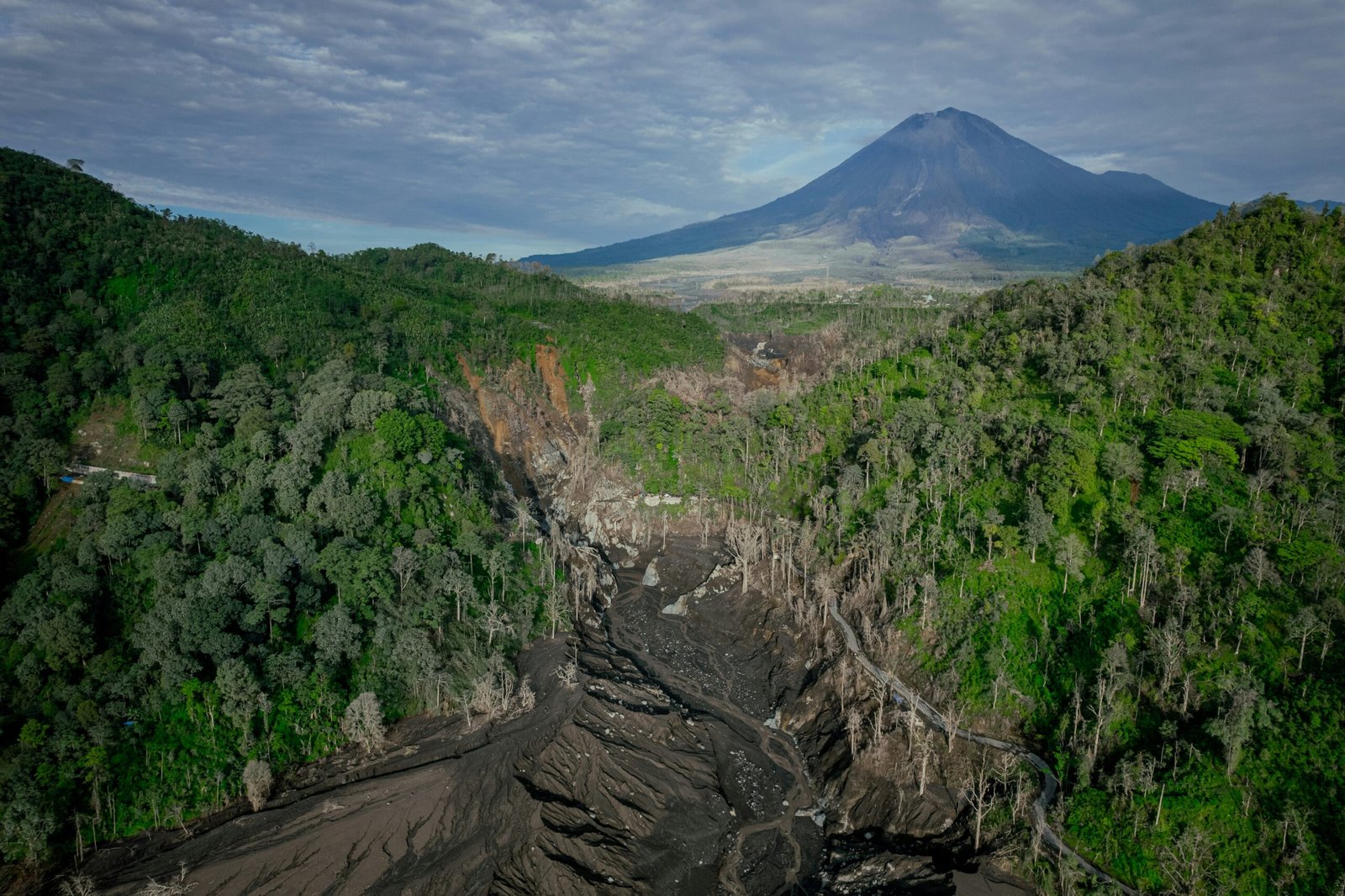
The Historical Context of Iran’s Volcanoes
Iran’s geological landscape is profoundly influenced by its volcanic formations, which have played a significant role in shaping both the environment and the history of human settlements in the region. Volcanism in Iran dates back millions of years, with numerous eruptions recorded that have left indelible marks on the area’s geology and ecology. The volcanic activity is primarily associated with the complex tectonic processes occurring at the convergence of the Arabian and Eurasian plates, which have been crucial in forming a diverse array of volcanic structures.
Historically, Iran has witnessed several notable volcanic eruptions, including the most prominent eruptions of Mount Damavand, which is considered the highest peak in the Middle East. Other significant eruptive events include those from volcanoes such as Sabalan and Neyriz, which have had various impacts on the environment, including changes in landform, fertile soils, and subsequent human settlement patterns. The last known eruption at Mount Damavand occurred approximately 7,300 years ago, indicating a long phase of dormancy in the area, which is now interrupted by recent geological activities.
The types of volcanoes found in Iran range from stratovolcanoes to complex volcanoes, each with distinct features and eruption styles. Stratovolcanoes, characterized by their steep profiles and explosive eruptions, dominate the landscape, while shield volcanoes and calderas add to the geological diversity. Over the millennia, these volcanic systems have contributed to a rich mineralogy and fertile agricultural lands, supporting the livelihoods of various civilizations that have inhabited these regions. Understanding the geological context of Iran’s volcanoes enhances our appreciation of their significance not just as natural landmarks but as vital elements in the historical tapestry of the nation.
Anatomy of the Recent Awakening: Causes and Implications
The awakening of the ancient Iranian volcano after a staggering 700,000-year dormancy has captivated scientists and enthusiasts alike. Key to understanding this phenomenon are the scientific findings that elucidate the underlying causes of the eruption. One pivotal factor contributing to the resurgence of this volcanic activity is the role of tectonic movements in the region. The interaction of tectonic plates can induce stress upon the Earth’s crust, allowing magma to ascend through fractures and potentially leading to volcanic eruptions.
An advanced system of monitoring techniques has enabled geologists to scrutinize the behavioral patterns of the volcano leading up to its eruption. Seismographs, for instance, detect minor tremors that often precede volcanic activity. These vibrations are typically indicative of magma movements beneath the surface. Additionally, satellite imagery and gas emission analyses provide vital information regarding changes in the volcano’s physical state. The presence of volcanic gases, such as sulfur dioxide, can signal imminent eruptions and are monitored closely to assess potential threats.
The implications of this eruption extend beyond mere geological interest; they pose significant risks and benefits for nearby communities. On one hand, the awakening of the volcano raises concerns regarding natural disasters that could impact local populations, requiring effective emergency response strategies. On the other hand, volcanic eruptions can lead to the formation of fertile soil, enriching the surrounding environment and promoting agricultural activities in the long term. Understanding these dynamics allows for better preparation and risk assessment, ultimately aiming to safeguard communities while recognizing the potential advantages tied to volcanic activity.
Future Predictions and Community Preparedness
The recent awakening of Iran’s ancient volcano, after a dormancy of approximately 700,000 years, raises significant inquiries regarding future volcanic activity. Geological experts project that the potential for eruptions, although uncertain, must be taken seriously. Advanced predictions utilize geological modeling, historical data, and real-time volcanic activity monitoring to better understand this phenomenon. Seismic sensors and satellite imagery continuously assess signs of unrest, ensuring that local authorities are equipped with crucial information for timely responses to potential threats.
To effectively protect communities situated near the volcano, local and national authorities have initiated comprehensive preparedness programs. These initiatives include the establishment of early warning systems, which notify residents of heightened volcanic activity. Regular community drills aim to familiarize residents with evacuation routes and safety protocols, emphasizing the importance of awareness in mitigating disaster risks. Educational workshops also highlight the geological history of the area, fostering an understanding of how past eruptions have influenced local culture and agriculture, notably through ash deposition, which enhances soil fertility.
Cultural adaptation to volcanic landscapes has resulted in unique agricultural practices and traditions, underlining the profound connection between the people and their environment. As future volcanic activities are anticipated, proactive measures must be prioritized. Initiatives to create resilient agricultural systems, such as diversifying crop production and developing specific techniques to manage ash fallout, can help communities withstand potential challenges posed by volcanic reactivation. Collaboration between local governments, scientists, and residents is crucial for establishing a comprehensive risk management framework, ensuring that the community remains informed and prepared for any eventuality posed by the volcano.
