
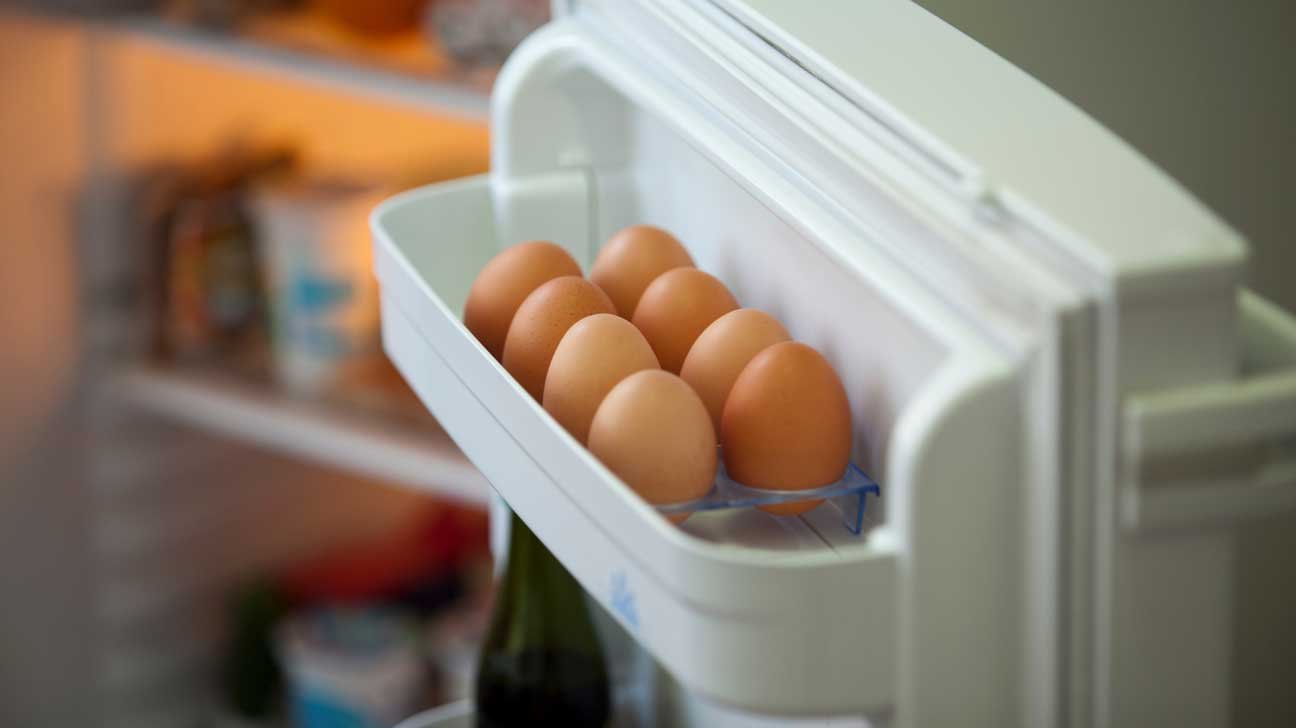
Understanding Egg Storage Practices
Egg storage practices vary significantly across the globe, influenced by local culture, regulations, and food safety standards. In the United States, the common approach involves refrigerating eggs to maintain freshness and reduce the risk of foodborne illnesses, particularly Salmonella. This need for refrigeration stems from the way eggs are washed and processed in American facilities. During these processes, eggs lose their natural protective coating, known as the bloom, which helps guard against bacteria and moisture loss. Without this protective barrier, eggs become more vulnerable to contamination and spoilage, necessitating refrigeration to extend their shelf life.
Contrarily, many countries, particularly those in Europe and parts of Asia, adopt a different strategy. In these regions, eggs are typically not washed before they reach consumers. Consequently, the bloom remains intact, allowing eggs to be stored safely at room temperature for an extended period. This approach is predicated on the belief that the natural protection provided by the egg’s shell is sufficient to inhibit bacterial growth and maintain freshness. However, environmental factors such as temperature and humidity must still be monitored to ensure egg longevity, regardless of the storage method employed. In high humidity conditions, eggs can spoil more rapidly, while temperature fluctuations can adversely affect their quality.
The debate over egg refrigeration practices highlights the importance of understanding the reasons behind these differing methods. While the American practice leans heavily on refrigeration to mitigate food safety risks, other cultures rely on the inherent protective qualities of eggs. Ultimately, consumers should consider their local practices, available resources, and the specific storage needs of their eggs to ensure optimal freshness and safety.
Best Practices for Storing Eggs
When it comes to storing eggs, proper techniques are essential to ensure their freshness and safety. One of the first considerations is whether to refrigerate eggs or store them at room temperature. In many countries, it is recommended to refrigerate eggs because it significantly slows down the growth of bacteria, such as Salmonella. The optimal temperature for storing eggs is below 40°F (4°C). Consistently maintaining this temperature is crucial as temperature fluctuations can compromise egg quality and safety.
When purchasing eggs, always check the packaging for a “Sell By” or “Use By” date to ensure you are buying fresh products. Once you bring the eggs home, placing them in their original carton is advisable, as this helps prevent moisture loss and protects them from absorbing odors from other foods. Additionally, the carton provides a protective barrier that can help reduce the risk of breakage.
To check for egg freshness at home, a simple water test can be employed. Fill a bowl with water and gently place the egg in it. Fresh eggs will sink to the bottom and lie flat, while eggs that stand upright or float are no longer fresh and should not be consumed. This test allows for an easy assessment of egg quality without needing advanced tools.
Moreover, it is essential to avoid washing eggs before storing them, as this can remove the natural protective coating, increasing the risk of contamination. Lastly, always ensure that the eggs are placed on an interior shelf rather than the fridge door, where temperature fluctuations are more common. By following these best practices for storing eggs, consumers can maximize their shelf life and ensure safe consumption.
Health and Safety Considerations
Proper egg storage is crucial for ensuring freshness and safety in consumption. Eggs can be a breeding ground for harmful bacteria, such as Salmonella, which can lead to serious illness if ingested. One of the primary health considerations for egg storage is the prevention of contamination and spoilage. The exterior of an egg can harbor pathogens that may enter the egg through cracks or porous shells, especially if eggs are not stored correctly.
Food safety organizations, such as the United States Department of Agriculture (USDA) and the Centers for Disease Control and Prevention (CDC), emphasize the significance of storing eggs at a consistent temperature. For instance, refrigeration is commonly recommended to maintain a safe temperature below 40°F (4°C). By keeping eggs cold, not only does it delay spoilage, but it also minimizes the risk of bacterial growth. Conversely, allowing eggs to sit at room temperature can lead to rapid degradation and pose health hazards.
Consumers should also be mindful of the shelf life of eggs. While eggs can often be stored for weeks beyond their sell-by dates, one should perform a simple float test to check for freshness. Submerge the egg in water; if it sinks, it is typically still good to eat, while floating indicates that it may be spoiled. Additionally, any off-putting odors or unusual appearances, such as changes in color or texture, should prompt immediate disposal.
To further safeguard against foodborne illness, it is advisable to practice safe handling techniques, including washing hands, checking for cracks before use, and avoiding cross-contamination. By following these guidelines, consumers can enjoy eggs while minimizing health risks.
