
What Are Tariffs?
Tariffs are taxes imposed by governments on goods imported from other nations. Essentially, they serve as a means for a government to regulate international trade while generating revenue. There are various types of tariffs, with the two most prominent being import tariffs and export tariffs. Import tariffs are levied on goods that enter a country, making them more expensive for consumers and potentially less competitive against domestically produced items. Conversely, export tariffs are charged on goods leaving a country, which can influence domestic supply and demand for those commodities.
The function of tariffs extends beyond mere taxation; they play a critical role in shaping trade relationships and economic policy. By increasing the price of foreign goods, tariffs can deter consumers from purchasing these products, thus providing a competitive advantage to local businesses. This protective approach is often employed by governments to safeguard emerging industries from foreign competition and to promote domestic economic growth.
The historical context of tariffs reveals their significance in nations’ economic strategies. For example, during the Great Depression, the United States implemented the Smoot-Hawley Tariff Act, which raised duties on numerous imports to protect American jobs. However, this decision led to international retaliation and a further decline in global trade, underscoring the delicate balance governments must maintain when utilizing tariffs as an economic tool.
In recent years, countries have re-evaluated their stance on tariffs, particularly amidst rising protectionist sentiments. The impacts of tariffs can be profound, influencing trade balances and social dynamics while also altering consumer behavior. As nations continue to navigate the complex landscape of international trade, understanding tariffs and their mechanisms remains essential for policymakers and stakeholders alike.
How Do Tariffs Work?
Tariffs serve as taxes imposed by governments on imported goods, aiming to regulate international trade and protect domestic industries. The implementation of tariffs typically involves several key processes, starting with the identification of goods to be taxed. Once a tariff rate is established, customs agencies are responsible for its enforcement, which includes evaluating the classification of imported products and determining the appropriate tariff amount. This assessment process is critical, as inaccuracies can lead to disputes or financial losses for both the importer and the government.
In the landscape of international trade, trade agreements play a significant role in shaping tariff structures. Bilateral and multilateral agreements often dictate the terms under which tariffs are lowered or eliminated between participating countries. Such agreements can promote trade by reducing prices on imported goods, fostering competition, and encouraging consumer choice. However, nations may also impose tariffs outside these frameworks as a protective measure to shield local businesses from foreign competition.
The economic implications of tariffs are multifold. On one hand, they can enhance domestic production by making foreign goods more expensive, thus encouraging consumers to purchase locally manufactured products. On the other hand, elevated prices of imported goods due to tariffs can adversely affect consumer choices and overall economic welfare. For instance, in recent years, the U.S. has implemented tariffs on steel and aluminum imports, impacting various sectors such as construction and automotive manufacturing. While the intended outcome was to bolster domestic industries, these tariffs also led to increased costs for consumers and businesses reliant on imported materials.
Examining case studies, such as the recent tariff implementations during trade disputes, reveals both immediate and enduring effects on economies globally. As such, understanding the mechanics behind tariffs and their widespread consequences is essential for grasping their role in contemporary trade practices.
Why Is Trump Using Tariffs?
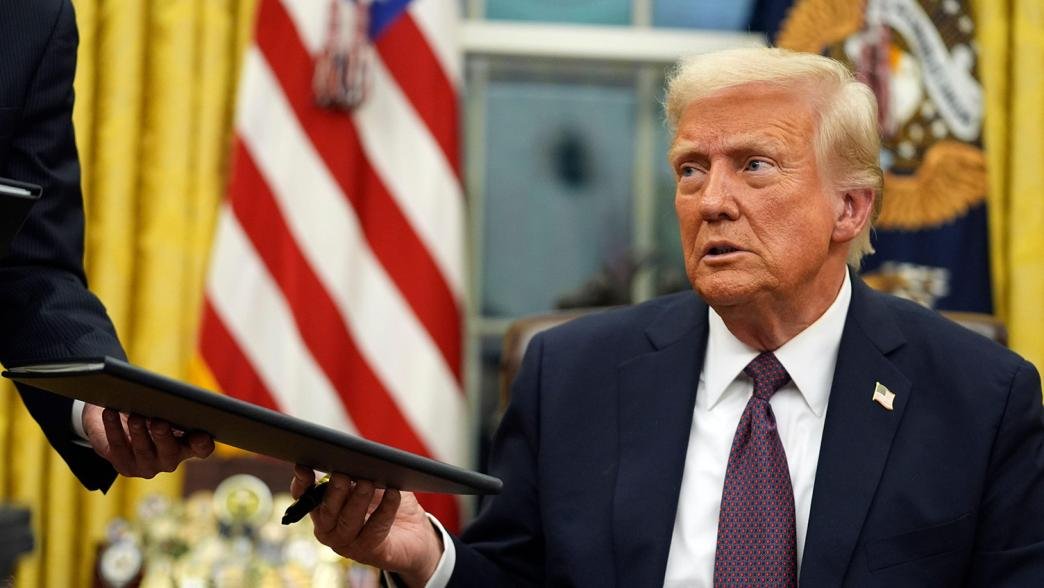
During his presidency, Donald Trump employed tariffs as a central component of his broader economic strategy, aimed at reshaping international trade dynamics. One of the primary objectives behind his tariff policy was the protection of American manufacturers. Trump argued that revitalizing the manufacturing sector was essential for economic growth and job creation in the United States. By imposing tariffs on imported goods, he sought to encourage consumers to purchase domestic products, thereby fostering a more robust manufacturing base.
Another significant motivation for Trump’s tariffs was addressing the longstanding trade deficits faced by the United States. He contended that unfair trade practices by other nations, particularly China, were detrimental to the American economy. By implementing tariffs, the Trump administration aimed to level the playing field, making it more expensive for foreign competitors to sell their products in the U.S. market. This approach was rooted in the ‘America First’ policy, which prioritized U.S. economic interests over global trade considerations.
The response from other countries, especially those targeted by these tariffs, was swift and often aggressive. Many nations enacted retaliatory tariffs, targeting American exports in a bid to minimize the economic impact of Trump’s policies. This tit-for-tat escalation led to increased tensions in global trade relations, highlighting the challenges associated with unilateral tariff impositions. Furthermore, economic experts warned about the potential repercussions, such as rising consumer prices and strained international partnerships, that could arise from a protracted trade conflict.
Looking ahead, the future of tariffs in U.S. policy remains uncertain. Some analysts predict that the Biden administration may adopt a more balanced approach to trade, while others foresee the continuation of protectionist measures. Regardless, Trump’s tariff strategy has undeniably shifted the discourse around international trade and its implications for the U.S. economy.
