
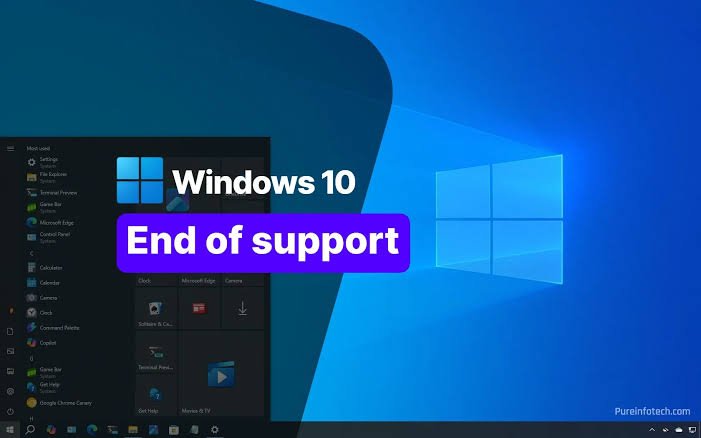
Understanding Windows 10 End of Life
The term ‘end of life’ (EOL) refers to the point in time when software ceases to receive technical support, updates, and security patches from its developer. In the context of Windows 10, EOL signifies that Microsoft will no longer provide critical updates, which are essential for maintaining system security and functionality. This marks a significant transition for users and businesses alike, as continuing to utilize an unsupported operating system may lead to vulnerabilities and increased risk of cyberattacks.
Microsoft has established clear lifecycle policies for its software products, including Windows 10. These policies typically outline a timeframe during which users can expect regular updates and extensive support. For Windows 10, the initial release occurred in July 2015, and following the customary ten-year lifecycle, the EOL is projected to occur in October 2025. This duration is divided into two primary phases: mainstream support and extended support. During the mainstream support phase, users receive feature updates, security patches, and technical assistance. However, once the software reaches EOL, only essential security updates are delivered if any at all, for a limited time.
The absence of regular updates post-EOL can have serious implications for system users. Without the latest security patches, vulnerabilities become increasingly exploitable, leading to potential data breaches or loss of sensitive information. For businesses particularly, running unsupported software can result in non-compliance with government regulations and industry standards. It can also impair operational efficiency and hinder compatibility with newer applications and technologies.
As such, it is crucial for users and organizations to prepare for the transition leading to Windows 10’s EOL. This preparation may include upgrading to newer versions of Windows or ensuring that robust security measures are in place to mitigate potential risks. Being proactive in addressing the implications of EOL can significantly enhance overall digital security and operational reliability.
Details of the Final Update
On October 10, 2023, Microsoft released the final update for Windows 10, marking the conclusion of support for this operating system. This last update primarily focuses on providing critical security patches, addressing various vulnerabilities detected in the OS over its lifespan. Notably, the update resolves several significant flaws that could potentially expose users to threats such as unauthorized access and malware attacks. By resolving these vulnerabilities, Microsoft aims to enhance the overall security of the operating system before users transition to newer solutions.
In addition to security fixes, the final update introduces a few minor enhancements aimed at improving user experience. These updates streamline processes and ensure smoother operations for existing software. Users can expect improved performance in various applications, making it easier to work with the OS as they prepare to move on to future versions.
Installing the final update is straightforward for users. It can be accessed via the Windows Update feature, where users can check for updates manually. Following the prompts will allow for an easy installation process. However, it is recommended that users back up their important files before proceeding, as with any major update, unforeseen issues may arise. Furthermore, users should verify that their systems meet the necessary requirements to ensure compatibility with the update.
As Windows 10 reaches its end of life, this final update serves as a critical step for users who need to maintain the security and functionality of their systems, especially in the absence of further support. Transitioning to a newer operating system is highly encouraged to remain secure and up-to-date with the latest features and security enhancements.
Next Steps After Windows 10 EOL
As Microsoft officially transitions Windows 10 into its End of Life (EOL) phase, users are encouraged to consider their next steps seriously. The importance of migrating to a newer operating system, such as Windows 11, cannot be overstated. Windows 10’s EOL signifies that Microsoft will no longer provide updates, including security patches, which exposes the system to potential vulnerabilities and cyber threats. To enhance security and ensure an optimal computing experience, users should begin the upgrade process to Windows 11.
Upgrading to Windows 11 is relatively straightforward for users with compatible hardware. First, check the system requirements provided by Microsoft to confirm compatibility. If the current system meets the requirements, users can access the Windows Update tool to initiate the upgrade. It is advisable to back up important data before proceeding with the installation. This backup can be done using built-in Windows tools or cloud storage options, ensuring valuable information remains intact during the transition.
For those who are not yet ready to upgrade, there are alternatives to consider. Users can explore other operating systems, such as Linux distributions, which may serve as effective substitutes. Additionally, maintaining strict security protocols becomes essential for those who remain on unsupported operating systems. This includes using comprehensive antivirus software, employing firewalls, and practicing safe browsing habits to mitigate security risks.
Common concerns about the transition can be addressed through frequently asked questions (FAQs), which cover topics such as system readiness, how to perform a backup, and compatibility with existing applications. For additional support, users can refer to Microsoft’s resources or seek assistance from professional tech support services. By taking proactive steps, users can navigate the transition smoothly and ensure their computing environment remains secure and functional.